
10 Garden Design Ideas for Lancashire Homes
Designing a garden is about much more than choosing attractive plants. A well-designed garden should work with your home, suit the way you live and remain enjoyable throughout the year. For homeowners looking for garden design ideas in Lancashire, the local climate, property style and available space are all important considerations.
If you're considering a professionally designed outdoor space, explore our garden design services in Lancashire.
What Makes a Good Lancashire Garden Design?
A good Lancashire garden design combines the needs of the homeowner with the character of the property, local weather conditions, planting requirements and available space. A well-planned garden should consider layout, drainage, planting, materials, lighting and how the space will be used throughout the year. With thoughtful design, even a small or challenging garden can become a practical and beautiful outdoor space.
Our garden design process explains how these elements are developed into a complete garden plan. Here are 10 practical garden design ideas to help you create a garden that is beautiful, functional and tailored to your lifestyle.
10 Garden Design Ideas for Lancashire Homes
1. Design Your Garden Around the Way You Live
The best garden designs start with the people who will use the space.
Before choosing plants, colours or materials, think about how you want your garden to work for you. Do you want a place to entertain friends, enjoy outdoor meals, relax with your family or simply have a peaceful space surrounded by planting?
Good garden planning begins with understanding your lifestyle and how the garden connects with your home.
You may need:
A comfortable seating area
Space for outdoor dining
Areas for children to play
A quiet place to relax
Practical garden storage
Space for planting
Easy access between your home and garden
Areas for entertaining throughout the year
Thinking about these requirements at the beginning can help create a more functional and cohesive garden layout.
For homeowners considering garden design in Lancashire, a professional garden designer can bring these different requirements together into one considered plan, ensuring that each part of the garden has a clear purpose.
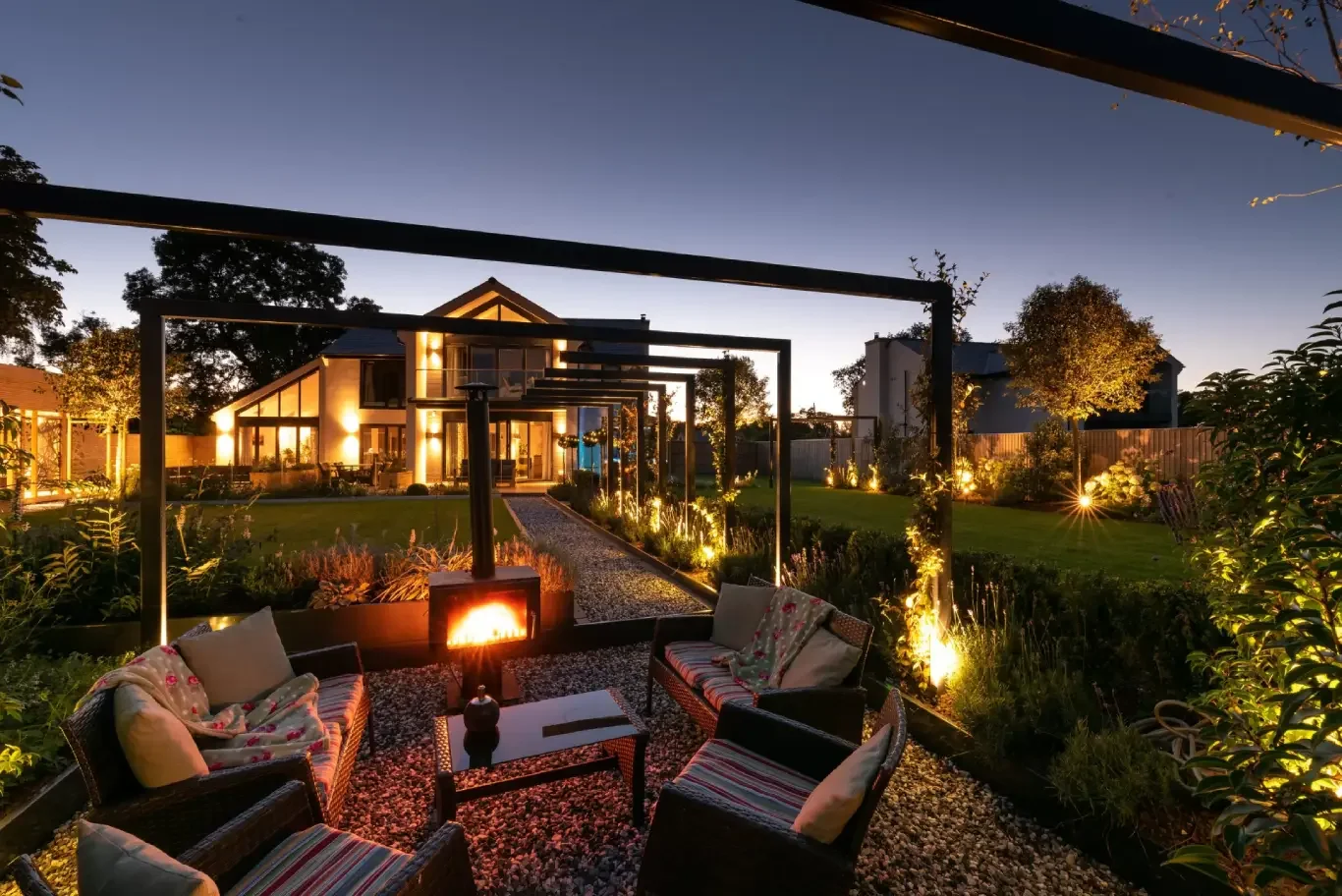
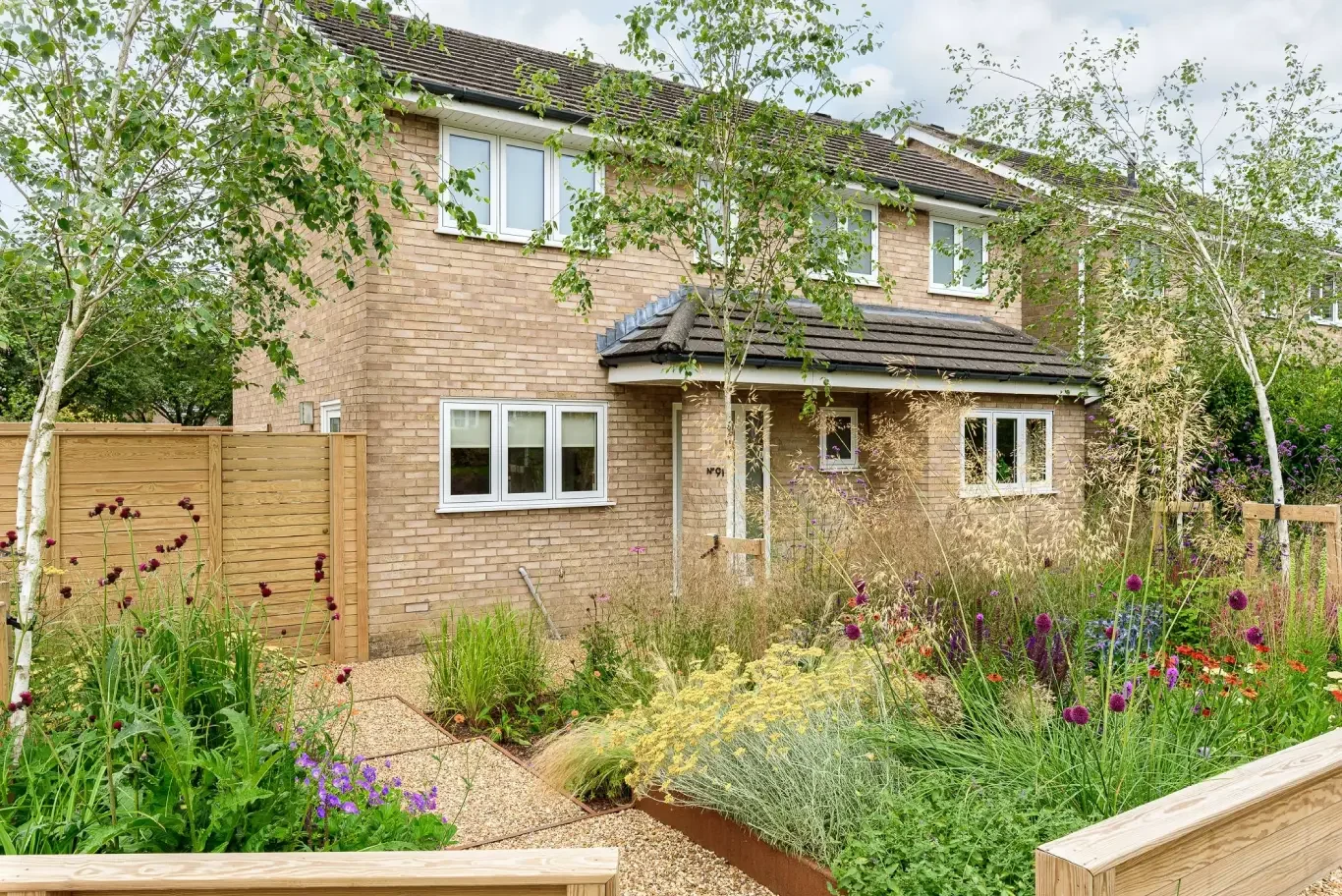
Garden design ideas for a Lancashire home by Peter Cowell Garden Design
2. Make the Most of a Small Garden
A small garden does not have to mean a small ambition.
With careful planning, even a compact outdoor space can feel larger, more comfortable and more interesting. The key is to make the available space work harder without making it feel overcrowded.
One of the most effective small garden design ideas is to avoid filling every available area. Instead, create a clear layout with defined zones and strong visual connections between them.
Consider using:
Multi-purpose seating
Built-in planters
Vertical planting
Carefully positioned trees
Simple paving patterns
Mirrors or reflective surfaces
Consistent materials
Different levels where appropriate
In a small garden, the position of seating, planting and pathways can make a significant difference to how spacious the garden feels.
A well-designed small garden can include seating, planting, lighting and entertaining areas while still feeling open and inviting. The aim is not simply to fit more into the garden, but to create a space that feels balanced and purposeful.
If you're looking for inspiration, explore our small garden design projects to see how carefully planned layouts can make compact spaces feel larger and more functional.
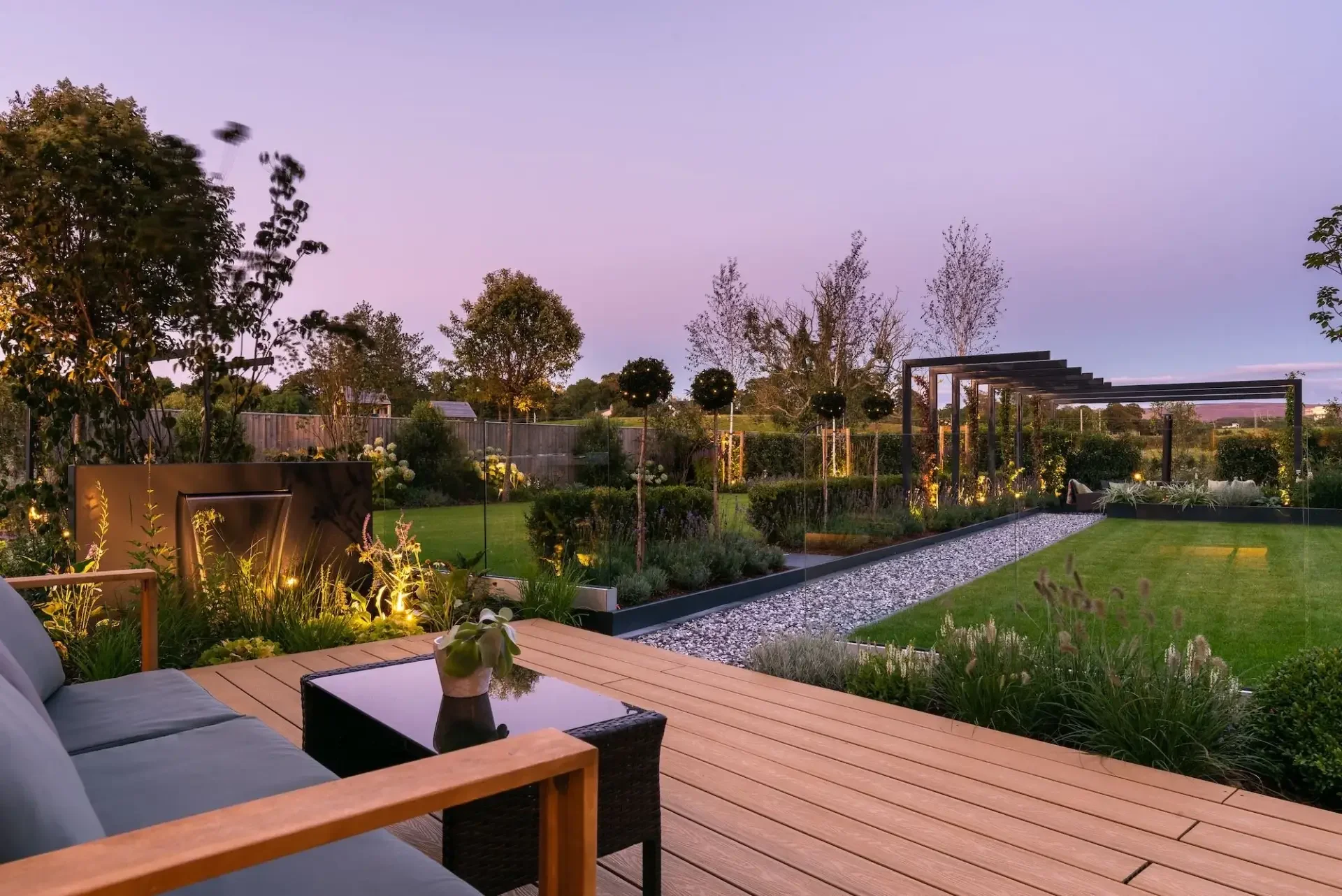
Small garden design with planting and seating in Lancashire
3. Create Year-Round Interest with Garden Planting
Beautiful planting can completely change the character of a garden.
When developing garden planting ideas, think beyond what looks attractive during a single season. A well-planned planting scheme can provide colour, texture, structure and visual interest throughout the year.
Consider combining:
Evergreen plants for structure
Flowering plants for seasonal colour
Ornamental grasses for movement
Trees and shrubs for height
Ground cover plants for lower levels
Plants with interesting foliage
Seasonal bulbs for spring colour
Plant selection should also take account of the individual conditions within your garden, including soil type, sunlight, drainage and exposure.
For a more cohesive result, professional planting design can help create a scheme that works with your garden's layout, soil and growing conditions.
The best planting schemes are not simply collections of individual plants. They are carefully considered as part of the wider garden design, working alongside pathways, seating areas, materials and views from the house.
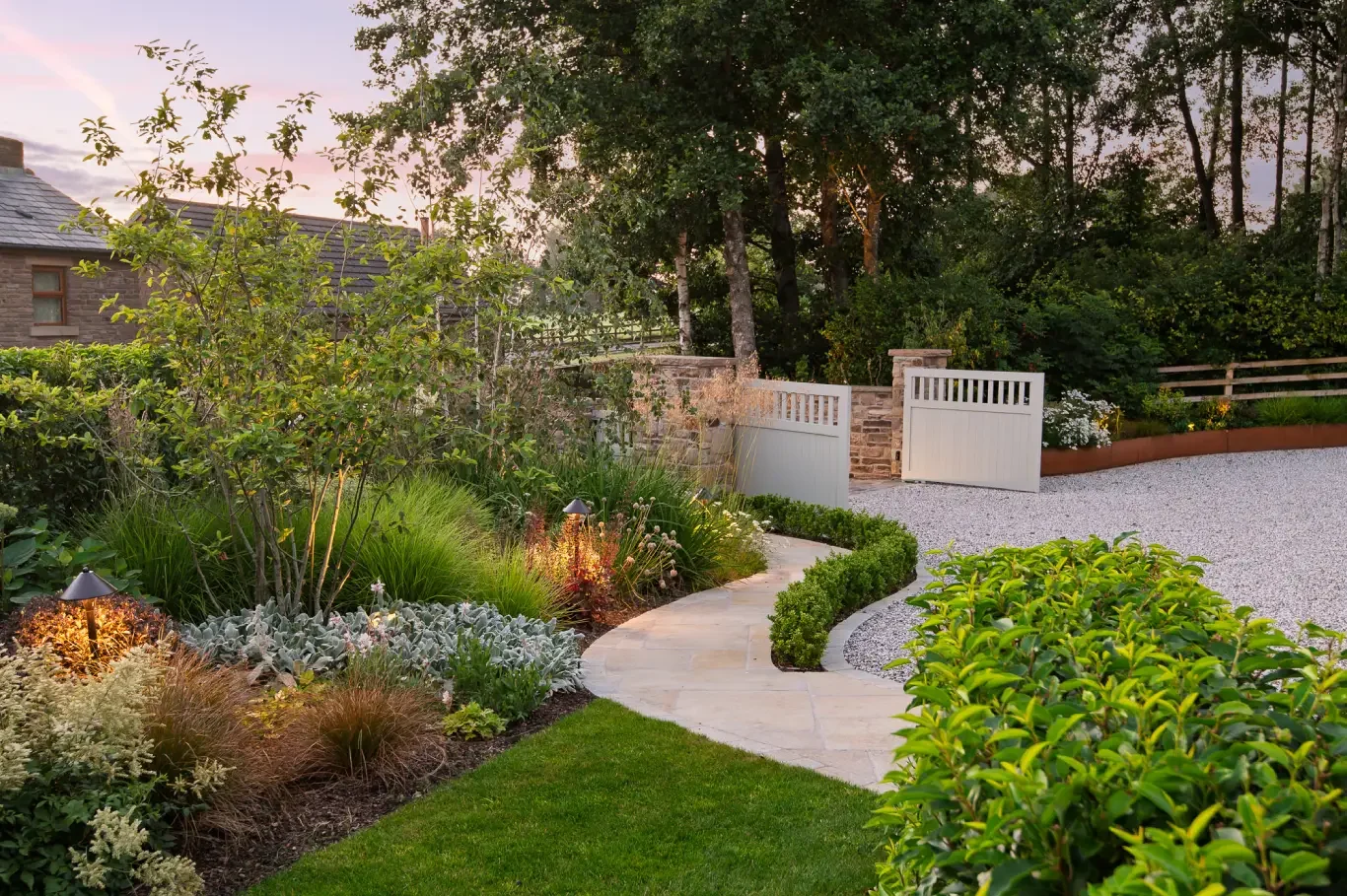
Garden planting design creating year-round interest in Lancashire
4. Plan for Lancashire's Weather
When considering garden design in Lancashire, it is important to design with the local climate in mind.
Rain, changing temperatures and periods of wet weather can all influence how a garden performs. Good garden design should consider these conditions from the beginning rather than treating them as an afterthought.
Practical decisions might include:
Planning effective drainage
Choosing suitable paving materials
Creating stable garden paths
Selecting plants suited to local conditions
Considering sheltered seating areas
Using durable materials for outdoor features
Planning levels to help manage surface water
For a Lancashire garden, drainage is particularly important. The layout, paving, planting areas and levels should work together to help manage water effectively while maintaining an attractive appearance.
Good garden planning considers drainage, levels, materials and planting from the beginning rather than treating these issues as an afterthought.
Landscape garden design and planting for a Lancashire property
5. Create an Outdoor Living Area
Modern gardens are increasingly becoming an extension of the home.
Creating a dedicated outdoor living area can make your garden more useful and enjoyable, particularly during the warmer months. The design should consider how the space connects with the house and how you are likely to use it throughout the day.
Depending on the size and style of your garden, you could include:
Outdoor dining
Comfortable seating
A fire or focal point
An outdoor kitchen
A pergola
A garden studio
A sheltered entertaining area
The key is to make the outdoor space feel connected to the house. Consider sightlines from your main living areas, easy access through the garden and the position of seating in relation to the sun and surrounding views.
For Lancashire properties, sheltered areas can also help make outdoor living more practical when the weather changes.
A carefully designed outdoor living area can become one of the most enjoyable parts of your home, providing a space for entertaining, relaxing and spending time outdoors.
You can also explore our outdoor living garden designs for examples of how seating, dining and entertaining areas can be integrated into a garden.
Outdoor living space designed for a Lancashire garden
6. Use Garden Lighting to Enjoy Your Garden in the Evening
A garden should not disappear when the sun goes down.
Well-planned garden lighting can improve the atmosphere, highlight architectural features and make outdoor spaces more enjoyable during the evening. It can also improve visibility around paths, steps and other areas where additional lighting may be useful.
Lighting can be used to highlight:
Trees
Planting
Paths
Steps
Walls
Water features
Seating areas
Architectural features
Avoid simply adding lights everywhere. Instead, think about where light is actually needed and which features you want to emphasise.
Subtle lighting can create depth and atmosphere while helping important areas of the garden remain practical after dark.
Garden lighting should ideally be considered as part of the overall garden design rather than added as an afterthought. When lighting, planting, materials and outdoor living areas are planned together, the garden can feel cohesive both during the day and in the evening. Our garden lighting design service can help integrate lighting into the wider garden plan.
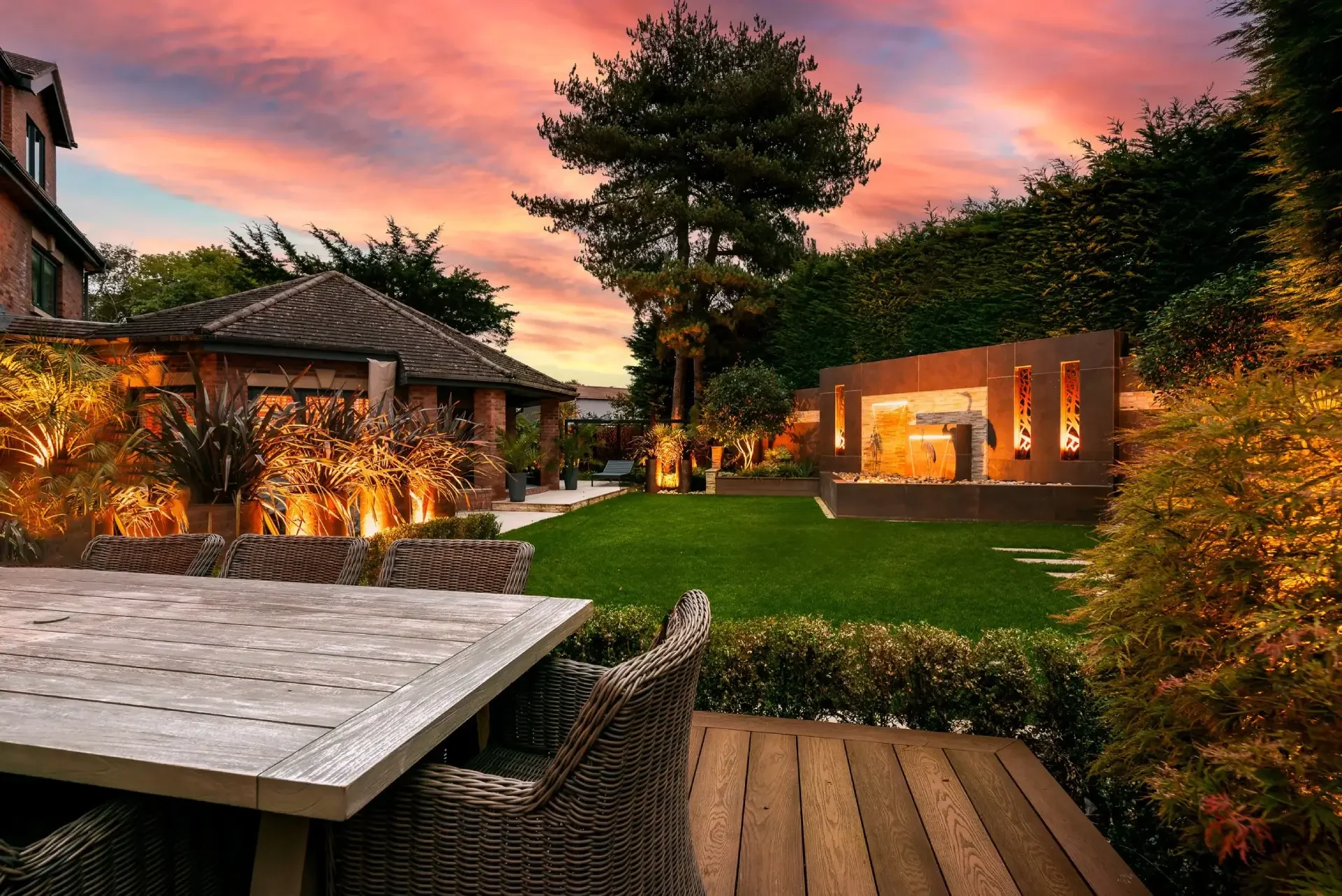
Garden lighting illuminating planting and outdoor living areas
7. Choose Materials That Work Together
Paving, walls, timber, fencing and other materials have a major influence on the overall appearance and character of a garden.
One of the most useful garden landscaping ideas is to create a consistent material palette. Rather than using too many different finishes, select a small number of materials that complement your home, garden and planting.
Think about:
The architecture of your property
Existing exterior materials
Colours
Textures
Maintenance requirements
Durability
How materials will look as they age
How materials connect different areas of the garden
Contemporary properties may suit clean lines and modern materials, while traditional homes can often work well with natural textures and softer planting.
The goal is to create a garden that feels connected to the house rather than separate from it. A considered combination of materials can help define different areas while creating a strong sense of continuity throughout the garden.
Material selection is also an important part of the garden design process, helping ensure that paving, walls, planting and other elements work together.
Garden landscaping materials combined with planting in Lancashire
8. Visualize Your Garden Before Construction
It can sometimes be difficult to imagine how a garden will look from a simple plan or drawing.
This is where 3D garden design and visualisation can be particularly useful. A three-dimensional design can help you understand the proposed layout, planting, materials, structures and overall proportions before construction begins.
3D visualisation can help answer questions such as:
How will the garden look from the house?
Will the seating area feel comfortable?
How large will a particular feature appear?
How will planting work with the architecture?
Where should focal points be positioned?
How will different materials work together?
For larger or more complex garden projects, visualisation can provide valuable confidence before construction starts.
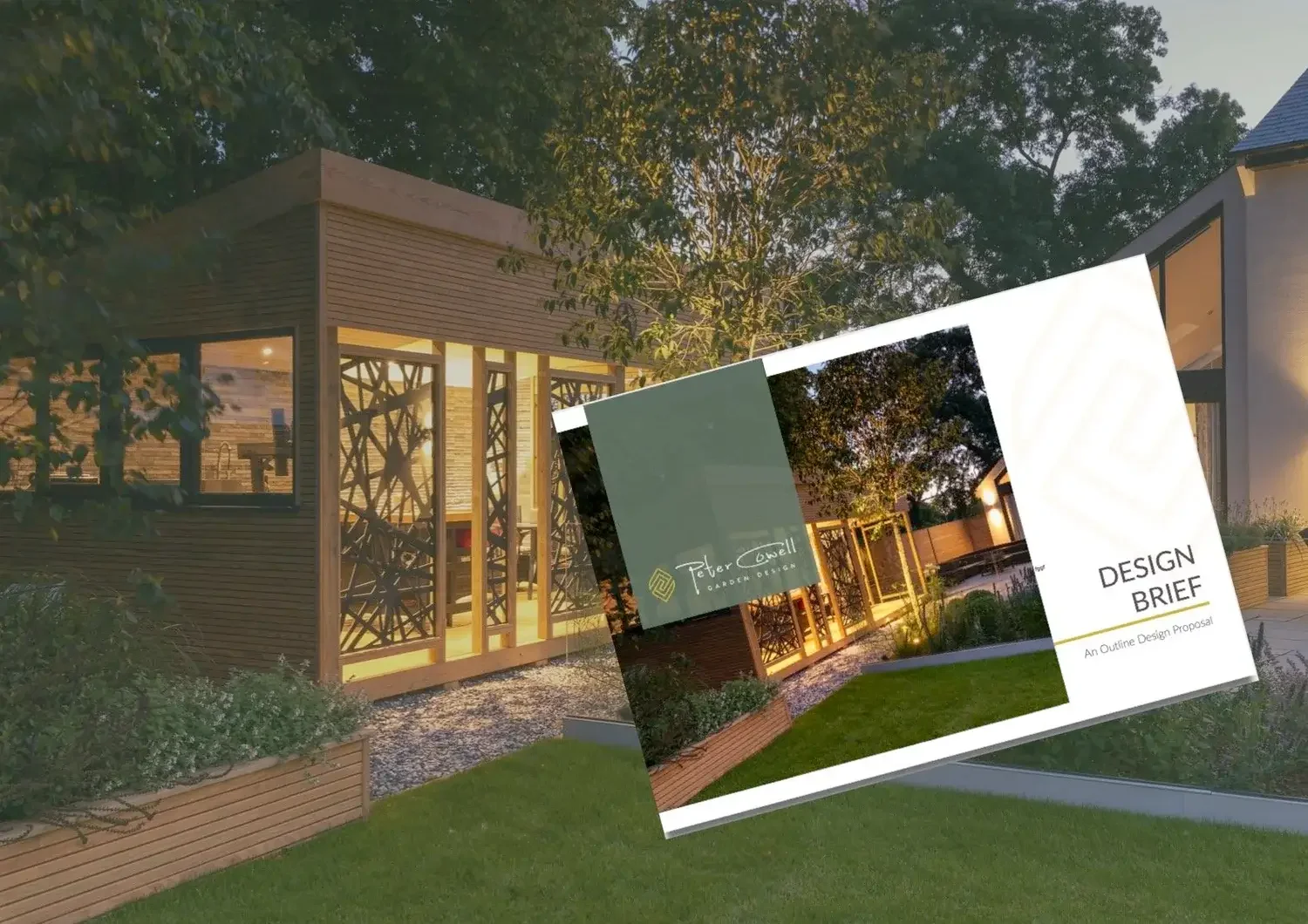
It allows you to consider the overall design and make informed decisions before work begins, helping ensure that the finished garden reflects the original vision. Our 3D garden visualisation process can help you understand the proposed layout, planting, materials and overall proportions before construction begins.
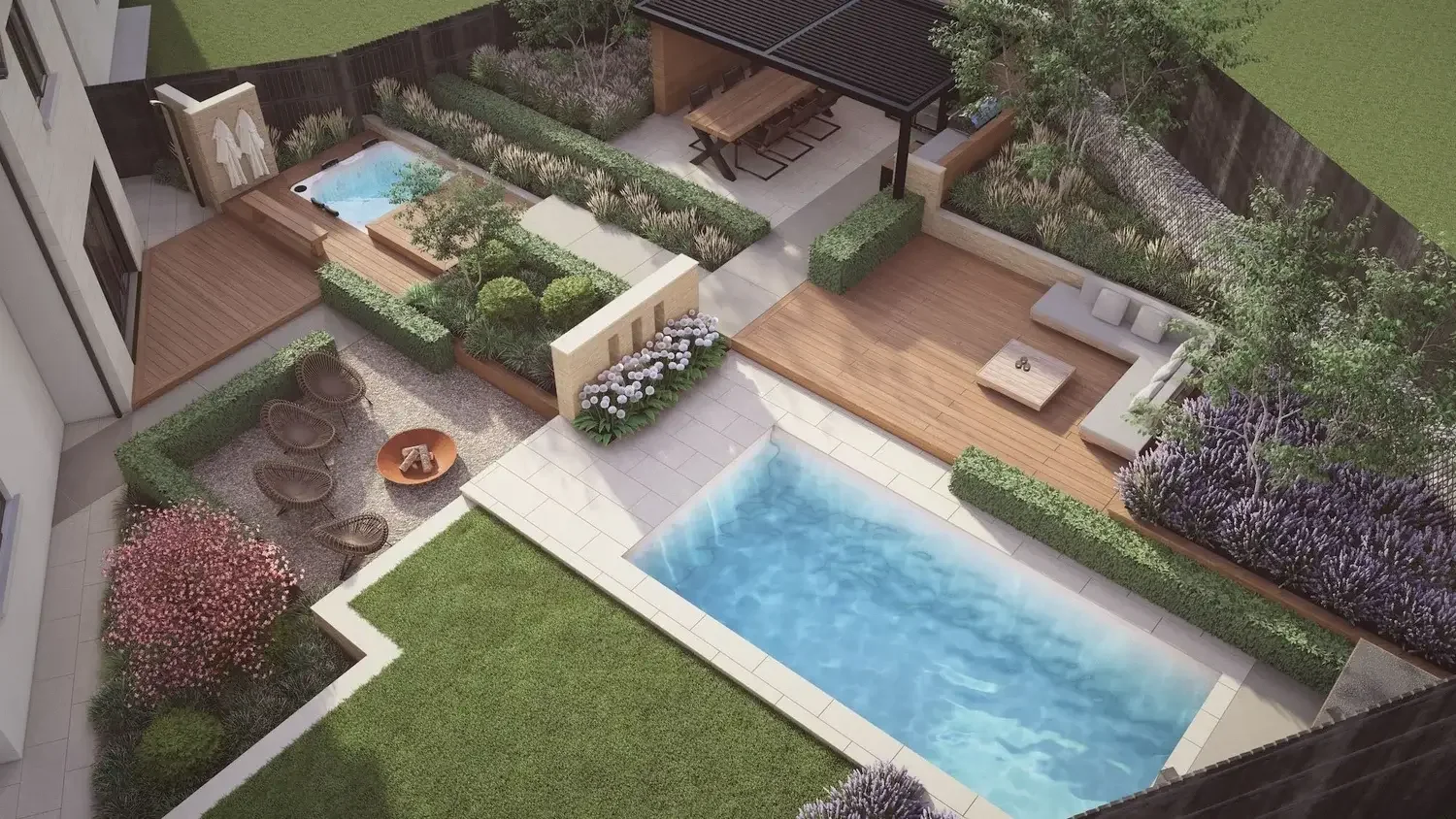
3D garden design visualisation for a proposed outdoor space
9. Choose a Garden Style That Suits Your Home
There are many different approaches to garden design, from contemporary and minimalist spaces to traditional and naturalistic gardens.
When choosing a style, consider both your personal taste and the character of your property. The strongest garden designs usually feel like a natural extension of the home rather than something completely separate.
Popular approaches include:
Modern garden design
Contemporary gardens
Traditional gardens
Country gardens
Courtyard gardens
Family-friendly gardens
Naturalistic planting
Outdoor living gardens
A successful garden does not necessarily need to follow one style perfectly. Some of the most interesting gardens combine different influences while maintaining a strong overall sense of design.
For example, a traditional property could incorporate contemporary seating or lighting while retaining planting and materials that complement the building.
The important thing is to create a balanced design that reflects your home, your surroundings and the way you want to use the garden.
Explore our garden design projects to see examples of contemporary, traditional, country, courtyard and outdoor living gardens.
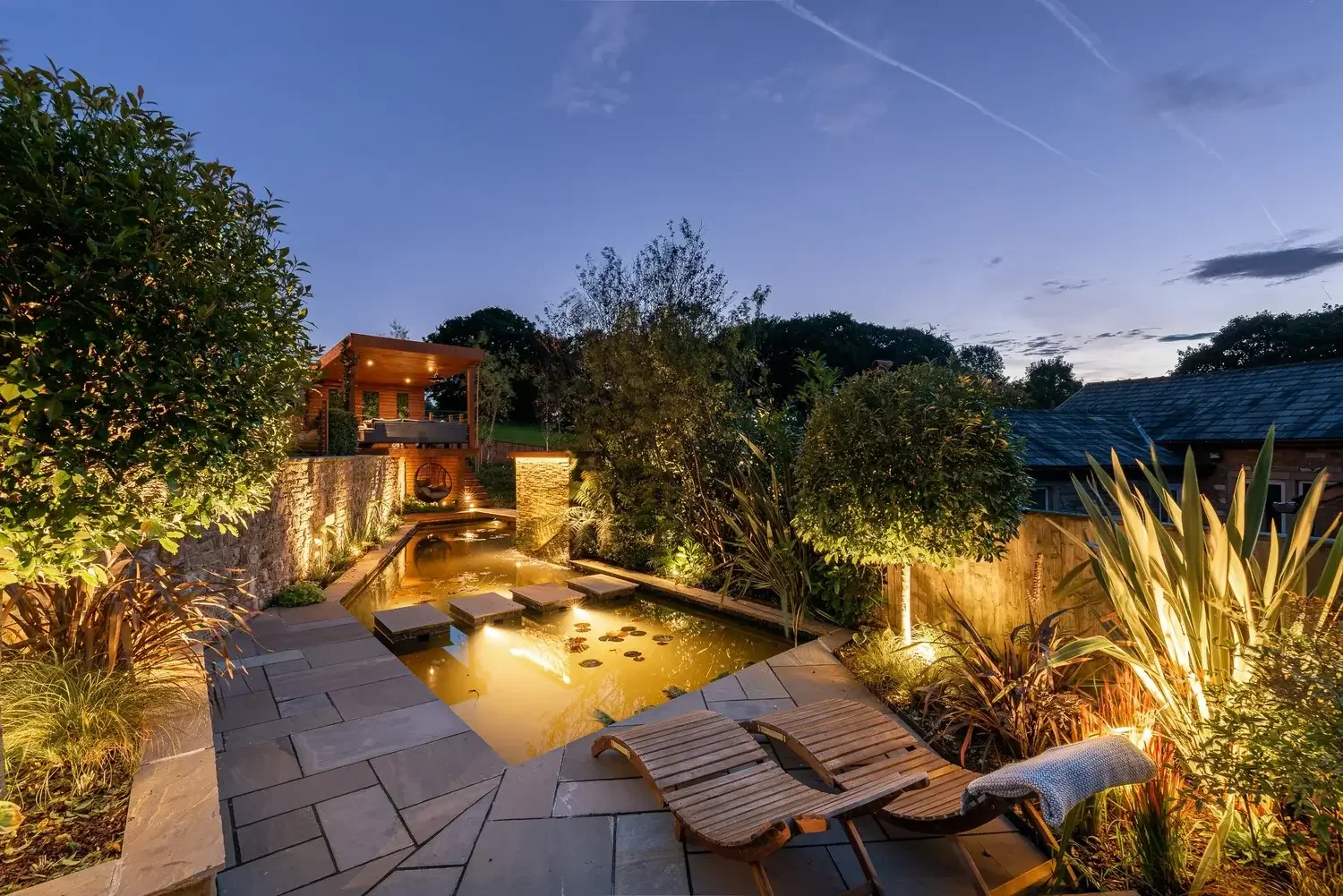
Modern garden design for a Lancashire home
10. Design Your Garden for the Future
Good garden planning should consider not only how your garden looks today, but also how it will develop over the years.
Plants grow, families change and the way you use your outdoor space can evolve. A successful garden design should allow room for this natural development.
When planning your garden, consider:
How large plants will become
Future maintenance requirements
Long-term material durability
Changes in your lifestyle
Future outdoor living requirements
Storage needs
How the garden will mature over time
Avoid designing only for the immediate result. Consider how planting will look as it matures, how materials will weather and how the garden might need to adapt to future changes.
A thoughtful garden should become more beautiful as plants mature and the landscape develops.
This is one of the advantages of professional garden design: a well-considered plan can take into account the relationship between the garden, the house, planting, materials and the way the space is likely to evolve.
Professional long-term garden planning can help ensure that planting, materials and the overall layout continue to work as your garden develops.
Bringing Your Garden Design Ideas Together
The best garden design ideas are not simply about making an outdoor space look attractive. They are about creating a garden that works for your lifestyle, complements your home and remains enjoyable for years to come.
Whether you are planning a small courtyard, a family garden, a contemporary outdoor space or a complete landscape transformation, careful planning can make a significant difference.
From planting and materials to lighting, outdoor living and 3D visualisation, every element should work together as part of one considered garden design.
If you are looking for professional garden design in Lancashire, a tailored design can help you make the most of your outdoor space and turn your ideas into a practical, beautiful garden.
Ready to Transform Your Garden?
Whether you're planning a complete garden redesign or looking for ideas to improve an existing outdoor space, professional garden design can help you make the most of your property.
Peter Cowell Garden Design creates bespoke garden designs tailored to your home, lifestyle and requirements.
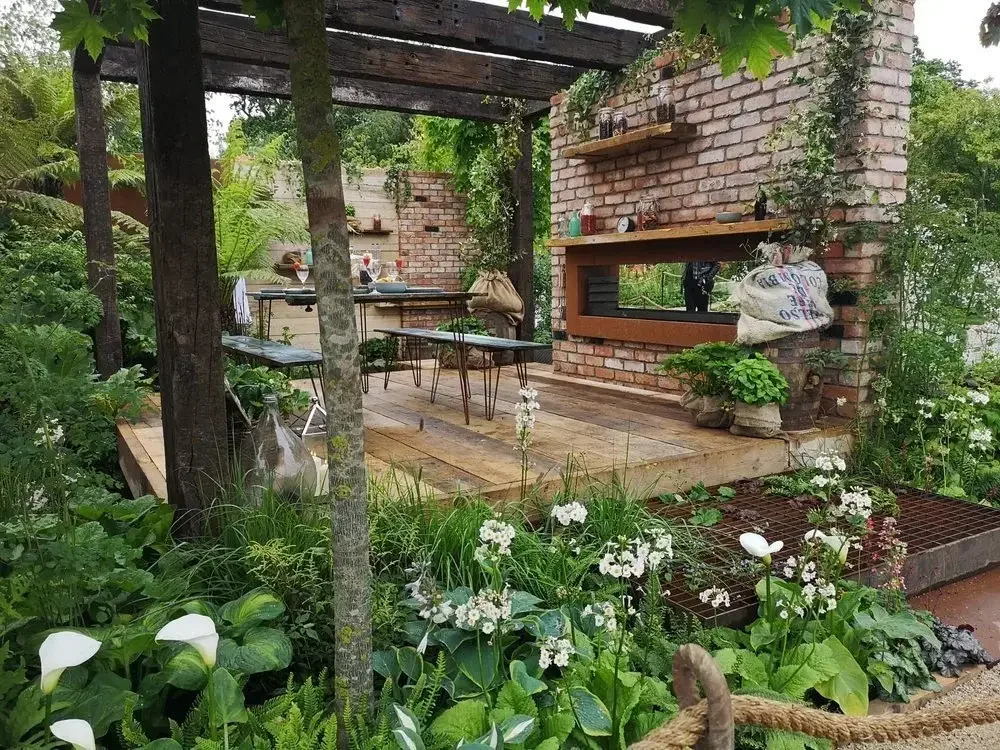
Bespoke garden design by Peter Cowell in Lancashire
Frequently Asked Questions
-
The cost of garden design depends on factors such as the size and complexity of the garden, the level of design detail required and the services included. A consultation is a useful first step for discussing your requirements and understanding what your project may involve.
-
Yes. Professional garden design can be particularly valuable for smaller spaces because careful planning can help make every area more functional while maintaining a sense of space.
-
Start by thinking about how you want to use the garden, how much maintenance you want to undertake, your preferred style and any features you would like to include. It is also important to consider the existing property, access, drainage, planting and budget.
-
Depending on the project, 3D garden visualisation can help you understand the proposed design before construction begins. This can be particularly useful when considering layouts, materials, planting and different garden features.
-
It depends on the project. A garden designer focuses on the overall design, layout, planting and visual relationship between different elements. For larger projects, a garden designer can help develop a detailed plan before construction and landscaping work begins.
-
The best garden design for a small garden makes efficient use of the available space without making it feel overcrowded. Careful zoning, multi-purpose seating, vertical planting, well-proportioned paving and considered lighting can help create a garden that feels larger and more functional.
-
Choosing plants for a Lancashire garden should take into account soil type, sunlight, drainage, exposure and local weather conditions. Selecting plants that are suited to the specific conditions of your garden can help create a healthy, attractive planting scheme with interest throughout the year.
About Peter Cowell Garden Design
Peter Cowell Garden Design creates bespoke outdoor spaces designed around individual properties, lifestyles and requirements.
From garden design and planting to landscaping, lighting and visualization, a considered approach can help transform your outdoor space into a garden you'll enjoy for years to come.