
Low-Maintenance Small Garden Design Ideas for Busy Homeowners
Planning a Small Garden That Is Easier to Maintain
A beautiful garden should be a place to relax, spend time with family and enjoy the outdoors, not another source of weekend chores. With the right planning, even a compact outdoor space can become an attractive, practical garden that is easier to maintain throughout the year.
The secret to successful low-maintenance small garden design is making thoughtful choices from the beginning. A simple layout, suitable materials and carefully selected plants can reduce unnecessary work while creating a garden that feels welcoming and well considered.
Whether you have a small courtyard, a narrow town garden or a compact outdoor space behind your home, these ideas can help you make the most of every metre.
1. Start With a Simple, Practical Garden Layout
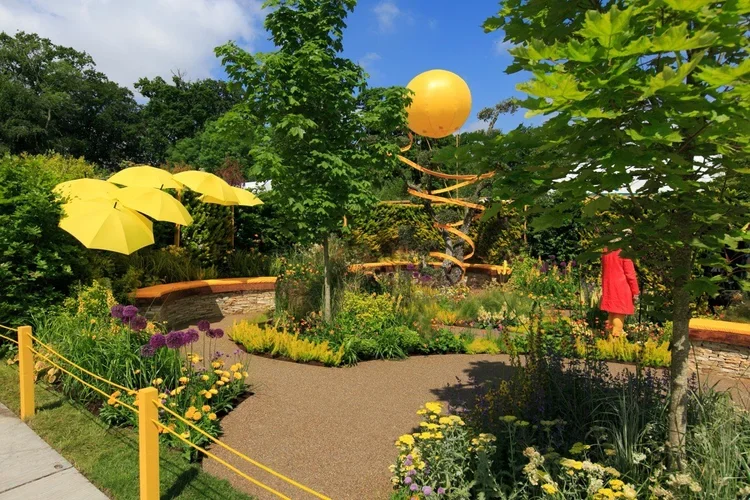
A well-planned layout makes a significant difference to how much work your garden requires. Too many separate planting beds, awkward corners and unnecessary features can make a small garden harder to maintain.
Start by considering how you want to use the space. You might need an outdoor dining area, a comfortable place to sit, attractive planting or an open area for family activities.
Choose a clear layout that allows you to move around easily and reach planting beds without stepping through borders. Grouping similar features together can also make routine tasks more manageable.
If you are planning a complete transformation, explore our garden design services to understand how a considered design can bring different elements together.
2. Choose Plants That Suit Your Garden
Plant selection is one of the most important decisions in a low-maintenance garden. Choosing plants simply because they look attractive can lead to extra watering, frequent pruning or disappointing results if they are unsuitable for the conditions.
Consider how much sunlight your garden receives, the type of soil, drainage and the space available for plants to reach their mature size.
Evergreen shrubs can provide year-round structure, while well-chosen perennials and ornamental grasses can introduce colour, texture and movement without requiring constant attention. Plants suited to your garden's conditions are generally easier to establish and care for.
Avoid overcrowding plants in an attempt to create an instant finished look. Allowing enough room for healthy growth can reduce the need for regular cutting back and replanting.
For a more cohesive result, consider how planting can complement the overall layout, paving and other features of your outdoor space.
3. Reduce Lawn Maintenance
A traditional lawn can be a useful feature, but mowing, edging and seasonal care may take up more time than you would like.
In a small garden, consider whether you need a lawn at all, or whether a smaller area would serve the same purpose. Keeping lawn space where it is most useful can reduce routine maintenance without sacrificing an attractive green setting.
Depending on your garden and how you use it, alternatives may include a well-designed patio, planted borders, ground-cover planting or a combination of lawn and hard landscaping.
The best solution is one that suits your lifestyle, soil conditions and drainage requirements rather than following a trend.
4. Use Practical, Easy-Care Materials
The materials you choose can influence how easy your garden is to look after. Durable paving, clearly defined edges and a straightforward path layout can help keep the space organised and reduce avoidable maintenance.
Large paving units may mean fewer joints to weed, while well-designed edging can help separate lawns, paths and planting areas.
Gravel can work well in suitable locations, provided it is properly contained and installed with appropriate ground preparation. Paving also needs occasional cleaning, and joints may still require attention.
Think about drainage, slip resistance, accessibility and how the materials will look alongside your home before making a decision.
A successful design balances practicality with the appearance and character you want to achieve.
5. Make the Most of Vertical Space
When ground space is limited, the boundaries of your garden offer another opportunity for planting and visual interest.
Suitable climbers, wall-trained plants and carefully positioned containers can introduce greenery without taking up too much usable floor space. A trellis may also help create a sense of privacy or screen an unattractive boundary.
Choose plants according to the amount of sunlight available and the support they will need. Remember that climbing plants may require training or pruning, so select varieties that suit the level of care you are comfortable providing.
Keeping the main circulation areas clear will help the garden feel more spacious and easier to use.
6. Create Interest Throughout the Year
A garden that looks attractive in every season does not need to rely on constantly changing displays.
Combine plants with different foliage, forms, flowering periods and seasonal interest. Evergreen structure can provide a consistent backdrop, while selected perennials, bulbs and ornamental grasses can add variation throughout the year.
Repeating a small selection of plants can help a compact garden feel calmer and more cohesive. It can also make planting easier to manage than using many unrelated varieties.
Consider how the garden will look from inside your home as well as from the seating area. A carefully placed tree, attractive shrub or considered planting border can provide a pleasing view even when you are indoors.
7. Design Around the Time You Have Available
Low-maintenance does not mean maintenance-free. Every garden needs some care, but the amount can be influenced by the design choices you make.
Think honestly about how much time you want to spend gardening. If regular lawn care is not appealing, reduce the lawn area. If watering containers is inconvenient, consider fewer, larger planters or planting directly into suitable beds.
Mulching appropriate planting areas can help suppress weeds and conserve soil moisture. A practical layout can also make watering, pruning and general care easier to carry out.
The aim is to create an outdoor space that works with your lifestyle rather than one that requires constant attention.
8. When Should You Consider a Professional Garden Designer?
Small gardens can be surprisingly challenging to plan. Limited space means every decision matters, from the position of the seating area to the choice of materials, planting and circulation routes.
A professional garden designer can help you consider the space as a whole, identify practical solutions and create a design that reflects your home, preferences and maintenance requirements.
This can be especially valuable if your garden has awkward proportions, changes in level, drainage issues or several competing uses.
At Peter Cowell Garden Design, the aim is to create thoughtful outdoor spaces that balance appearance, functionality and the way you want to live. If you are considering a wider project, you can learn more about our garden design services and how a considered approach can help bring your ideas together.
Create a Garden That Is Easier to Enjoy
A well-designed small garden does not need to be complicated to look beautiful. By choosing suitable plants, simplifying the layout and selecting practical materials, you can create an outdoor space that is attractive, functional and easier to maintain.
The most successful approach is to design around your garden's conditions and the way you want to use it, rather than trying to fit in every possible feature.
Planning a small garden transformation? Get in touch with Peter Cowell to discuss your garden and explore the possibilities for your outdoor space.